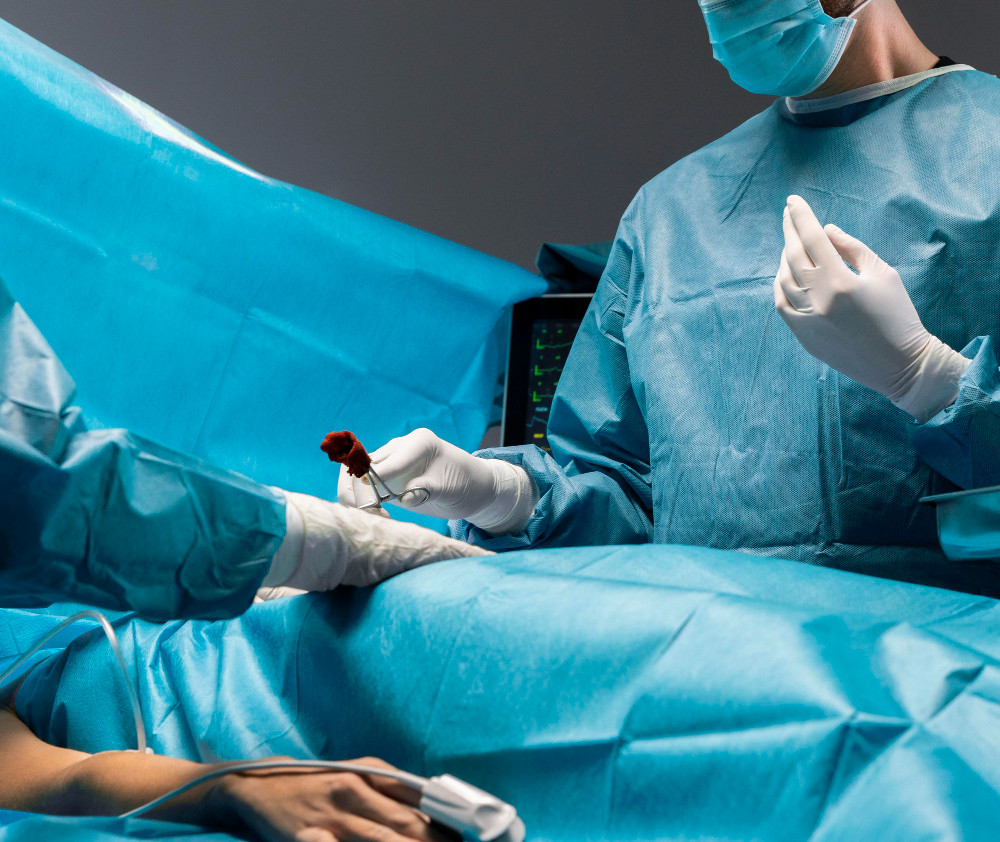
Pelviacetabular surgery sounds complex, but it’s simply a type of operation that fixes hip and pelvis problems. Imagine the hip as a ball in a socket. It needs to move smoothly without pain. Sometimes, accidents or conditions jam this mechanism, causing pain or difficulty in walking. That’s where pelviacetabular surgery comes in to help restore mobility and comfort.
Over the years, this surgery has improved dramatically. Originally, there were limited options for people needing this operation. Back then, surgeons had to rely on less precise methods, leading to longer recovery times. However, with new technologies and techniques, pelviacetabular surgery success rates have risen, and people heal faster.
Globally, many medical breakthroughs have advanced this field. In regions across Europe and North America, innovations have made this surgery safer and more effective. Improved imaging techniques help doctors plan operations with great detail. Computer-assisted surgery has been another milestone, allowing surgeons to perform with more precision.
Today, the significance of this surgery is clear. It is a crucial part of orthopedic medicine. Countless individuals can walk better and feel less pain due to improvements in this field. As a result, hospitals worldwide see it as an essential option for treating major hip and pelvic issues.
Key Benefits and Advancements in Pelviacetabular Surgery
Modern pelviacetabular surgery techniques have made significant strides. Surgeons now have advanced tools that allow for smaller cuts and less trauma. These improvements mean people can heal quicker and with fewer complications.
Thanks to innovation, the benefits of pelviacetabular surgery are now more evident than ever. People often experience improved movement and reduced pain, benefiting their daily activities and overall quality of life. Additionally, cutting-edge technologies like 3D printing help doctors plan surgeries with more precision, minimizing errors.
Consider some incredible advances: – Better Techniques: Current techniques allow for precise bone alignment, reducing strain on joints. – Minimized Pain: Post-surgery pain management has improved dramatically, leading to quicker hospital discharges. – Higher Success Rates: Increased pelviacetabular surgery success rate due to meticulous planning and execution.
Real testimonies from patients highlight these advancements. For instance, a study showed over 90% of patients reported enhanced mobility six months post-surgery. These positive outcomes help many consider surgery sooner, rather than hesitating due to fear of older methods.
Beyond just the surgery room, these advancements lead to healthier outcomes. People look forward to pelviacetabular surgery recovery with hope, anticipating living without pain.
Preparedness, Risks, and Recovery: Navigating the Pelviacetabular Journey
While the surgery is beneficial, understanding potential hurdles is essential. Like all surgeries, it comes with its risks. However, knowing these and preparing adequately can ease the experience.
Common complications of pelviacetabular surgery may include soreness or minor infections. Ensuring you’re healthy beforehand reduces these risks. It’s crucial to follow your doctor’s advice, such as stopping certain medications.
Postoperative care for pelviacetabular surgery plays a vital role. Care teams often include physical therapists, guiding through exercises that restore movement. Effective exercises focus on strengthening muscles, supporting bones, and walking steadily.
Recovery involves: 1. Focused Rest: Initially, take it easy. Allow your body time to heal without stress. 2. Regular Check-Ups: Attend all follow-up appointments to monitor healing. 3. Rehabilitation: Stick to exercises, gradually building strength and flexibility.
Adjusting daily routines helps, too. For example, healthy eating supports healing. Integrating gentle activities like walking encourages blood flow and overall well-being.
A Bridging Conclusion: The Future and Impact of Pelviacetabular Surgery
Ultimately, pelviacetabular surgery is life-changing for many. It can rejuvenate someone’s ability to move freely and live with less discomfort. Returning to everyday activities without pain transforms lives.
Future directions appear promising. As technology progresses, surgeries will become even more precise. Sustainably, these advancements promise reduced operation times and quicker recoveries.
Innovation continues to drive the benefits of pelviacetabular surgery, setting a hopeful path for future patients. Today’s doctors constantly refine techniques and explore new possibilities, ensuring that this vital field of medicine remains at the forefront of orthopedic health.
As people become more informed about these procedures, their decisions become more empowered. With confident, skilled medical teams, patients walk into surgery brave and leave with renewed life, thanks to advancing medical science.